Ballistic protection is crucial if you're a recreational shooter, work in law enforcement or security, or want to be safe out in public in case of shootings. At Bulletproof Zone, we're proud to be the link between you and that life-saving gear.
But is it legal to own body armor?
Buying and wearing body armor is legal on the federal level in the United States, but some states have specific laws concerning the buying and selling of these products.
In this article, we're looking at the legal status of buying and wearing body armor in every state in the USA.
Basic Overview of Federal Body Armor Laws
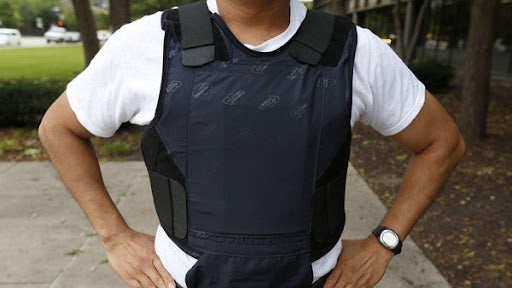
Here are the basics of body armor federal legislation you should remember:
Who can buy body armor?
Per Section 931 of title 18, United States Code, any US citizen who is 18 or older and has not been convicted of a felony that constitutes a crime of violence can purchase and wear body armor in the USA.
There are some cases where a convicted felon may be allowed body armor for work with permission from the appropriate authorities.
Where can you buy body armor?
- Body armor can be purchased by anyone in face-to-face transactions in all 50 states. However, some states have laws in place that only allow law enforcement officers, government officials, or other fields specified by the department state.
- Body armor can be bought at gun shows, stores, websites, through catalogs, or over the phone.
Where can you NOT buy or sell body armor?
- You cannot take, ship, send, or bring body armor outside the US without federal permission.
- Body armor cannot be shipped to addresses in Connecticut and New York.
Can you wear body armor at 17 years old?
If you're under 18, you must receive written permission from your local police department to purchase body armor.
Can you wear body armor in public?
Generally, yes, you are within your rights if you wear body armor in public as long as you are an adult with no felony convictions.
Even though it’s legal on a federal level, US states are allowed to handle body armor laws in their own way. That means, depending on what state (or even city